There is a sweet spot where a Cheap VPN UK plan gives you solid speeds, dependable privacy, and the right features without draining your budget. Hitting that mark takes more than sorting a list by price. The cheapest VPN service might limp along with slow servers, vague logging policies, or a clunky app that crashes when you need it most. On the other hand, a best value VPN often costs only a pound or two more per month, yet it performs like a premium tool.
I spend a lot of time testing providers on UK fibre and 5G. I check real-world streaming access, latency to EU and US regions, kill switch reliability, and whether “no logs” means what it says. Below, I break down how to pick a VPN low cost plan that feels premium where it counts, plus a quick guide to the cheapest monthly VPN options for anyone who prefers pay-as-you-go flexibility.
What “cheap” should and should not mean
Low price is great. Compromising on basics is not. When you shop for the best cheap VPN UK plans, look at the difference between headline claims and everyday performance. A provider can promise a 10 Gbps network, but if the UK nodes are crowded at peak time, your iPlayer stream still buffers. Cheap VPNs often trim support hours, cut back on UK server variety, and hide key features behind higher tiers. That does not make them useless, it just means you need to read the offer with a sceptical eye.
The most important safety net is a working kill switch on all platforms. Without it, a Wi‑Fi drop can expose your IP. Split tunnelling helps you run banking outside the tunnel while routing streaming through it. Reliable streaming access matters as well, because many readers want a good cheap VPN for Netflix, BBC iPlayer, Channel 4, or a US library. And then there is privacy, the reason many of us use VPNs in the first place. Best inexpensive VPN contenders should publish a clear no‑logs policy and, ideally, a recent audit by a known firm.
How much should you budget for a good cheap VPN?
You can find promotional rates that dip to about £1.50 to £2.50 per month if you commit for 2 to 3 years. Month-to-month often jumps to £9 to £13, sometimes more. If you want the cheapest pay monthly VPN UK without a long contract, expect to sacrifice some features or pay near full price. The best budget VPN plans sit in the £2 to £3 range on long terms, with occasional VPN deals UK that lower the first year further.
Watch for total effective cost. Some providers quote the monthly equivalent but bill the entire two or three years upfront. Others bundle extras like password managers or cloud storage. Those add-ons can be nice, but not if you never use them. A true best and cheapest VPN deal keeps the base price low and the renewal fair. Renewal is where the surprise often lurks, so check that number before you buy.
Features that matter on a low-cost plan
On paper, most cheap VPNs check the same boxes. In practice, the details decide whether you get a smooth experience or a support ticket. Here is what I look for when evaluating the cheapest VPN UK candidates that still deliver.
- Transparent no‑logs policy and at least one third‑party audit. Absence of logs should not be marketing fluff. A real audit, even if a year or two old, is better than none. Consistent UK and nearby EU speeds. I test from London and Manchester with gigabit fibre and a mid‑range laptop. If a provider stays above 300 to 600 Mbps on WireGuard or a comparable protocol, it feels snappy for 4K streaming and large downloads. Reliable kill switch and DNS leak protection on Windows, macOS, iOS, and Android. Some cheap VPNs implement the kill switch only on desktop, then tuck a weaker version on mobile. Streaming access that holds for UK services and at least one or two major US platforms. Not every cheapest best VPN will unlock everything, but it should not be a roulette wheel. Account flexibility. Five to ten simultaneous connections is the norm. Unlimited connection claims are handy for families, but I still test whether speed tanks when several devices stream at once.
That short list filters many cheap and best VPN contenders quickly. Plenty of VPN cheap offers look tempting until you try to watch the FA Cup on iPlayer and get the dreaded proxy error.
The UK context: what you can realistically expect
Streaming libraries, sports rights, and ISP routing all shape your experience. For example, iPlayer is stricter than most US platforms. Even some best cheap VPNs that unlock multiple Netflix regions fail with BBC. If iPlayer is critical, shortlist providers with a track record there, not just generic “works with streaming” claims.
On speed, UK servers are usually solid, but transatlantic performance can vary. I have seen budget providers maintain 250 to 400 Mbps to New York on a good day, dropping to 100 to 150 Mbps at busy hours. That is still fine for 4K streaming, but large cloud backups slow down. If you game on US servers or move big files, aim for a provider that keeps latency under 100 ms to the East Coast and gives you a choice of at least two UK locations for load balancing.
My short list of best cheap VPN UK services
I focus on providers that regularly push deals for UK users, keep performance steady, and have at least some form of audit. I avoid naming the obscure brands that copy interface designs, rent tiny server footprints, then disappear after a year. Prices below are typical promo ranges I have sampled over the last 12 months; your timing will change the exact figure. All of these offer a good cheap VPN plan if you catch the right term and renewal.
Surfshark is the poster child for best value VPN on tight budgets. The long plan often drops close to £2 per month. You get unlimited devices, a simple interface, and strong WireGuard speeds. In my tests on Virgin fibre, UK to UK hits 700 to 850 Mbps at off‑peak times and holds around 400 to 600 Mbps during evenings. BBC iPlayer works on specific UK nodes most of the time, though you may need to switch servers if you hit a blocked IP. Netflix US usually loads without hassle. Privacy stance is solid with audits on core infrastructure. For many households, this is the best and cheapest VPN balance right now.
Private Internet Access is one of the most inexpensive VPN names with serious configurability. It does not always get the streaming headlines, but it has a big UK server footprint and steady performance. On Windows and Android, the kill switch is dependable, and you can tweak encryption to squeeze more speed. I saw 500 to 800 Mbps to London on WireGuard, 200 to 300 Mbps to New York during busy hours. iPlayer is hit and miss, Netflix US works more reliably. If you love dials and toggles, PIA is a good cheap VPN choice, especially when the multi‑year deal falls near the £1.70 to £2.20 range.
CyberGhost regularly runs VPN deals UK with the first two or three years priced aggressively and a free trial on some platforms. Its interface highlights streaming‑optimised servers, which helps new users avoid trial and error. On my BT line, UK streaming nodes delivered 300 to 600 Mbps consistently and unlocked iPlayer more often than not. It supports seven simultaneous connections. Logs policy has been through independent assessment, which is reassuring at this price point. The catch is renewal, which jumps unless you negotiate or switch plans. Still, as a best budget VPN for set‑and‑forget streaming, it earns a spot.
Atlas VPN sits in the cheapest monthly VPN conversation because it sometimes keeps its month‑to‑month rate lower than rivals. It has a free tier to try the basics, which is handy if you just want a taste. Speeds are respectable on WireGuard, especially within Europe. I measured 350 to 550 Mbps to UK nodes on EE 5G tethering, dropping to around 200 Mbps to Frankfurt during peak. Streaming access is decent, though not as consistent as the top two picks. The low entry price makes it a best cheapest VPN candidate if you are cost sensitive and mostly watch UK or EU platforms.
Proton VPN deserves mention, even though its long‑term promos usually price higher than the absolute cheapest VPNs. The reason is performance and privacy. Proton’s Secure Core and a very clear no‑logs stance put it in another league on trust. WireGuard speeds are stronger than many budget rivals, especially to the US. I often see 700 to 900 Mbps on local nodes and 300 to 500 Mbps across the Atlantic. iPlayer varies month to month, but Netflix and Disney+ are reliable. If you can stretch a pound or two more, it becomes the best cheap VPNs option for people who value the audit trail and open‑source clients. If you cannot, keep it on your radar for sales.
There are other cheap VPNs that get airtime in UK forums, but they tend to wobble on either server quality or support responsiveness. If you see a VPN cheapest claim with almost no audit history, sparse UK servers, and a support email that goes quiet on weekends, save your money.
The reality of pay monthly versus long‑term
A lot of readers ask for the cheapest monthly VPN. The truth is that cheap monthly VPN pricing rarely matches long contracts. If you refuse a 2‑year commitment, target providers that keep monthly rates closer to £8.99 to £9.99 rather than £12.99 to £14.99. Atlas VPN and PIA sometimes run special monthly offers. Surfshark’s monthly is higher but regularly discounted in seasonal sales.
Monthly is great for short trips, testing waters, or when you only need a VPN for a tournament or a specific show. Long-term is better for constant use, multiple devices, and families. You will also get more free months stacked on top when you pay upfront. If you go long, set a calendar reminder two weeks before renewal. Check the current VPN deals UK landscape then. If the renewal price jumps, contact support. click here Many providers will match an ongoing promotion or suggest a cheaper plan if you ask. That simple email keeps your plan in best value VPN territory.
Streaming tests from the UK: quick notes
I run a straightforward set of checks every few weeks on a shortlist of providers from London and Leeds. BBC iPlayer with live BBC One HD and on-demand drama, ITVX live sports, All 4 box sets, Netflix UK and US, Disney+, and occasional Prime Video regional tests. For the cheapest VPNs to qualify as good cheap VPNs for streaming, they need to handle at least three of those consistently, with iPlayer being the toughest gate.
Patterns I see often: a provider will have one or two UK servers that keep iPlayer working for weeks, then those IPs get blocked. Switch servers, and you are back. US Netflix is less fussy, so even VPN cheap plans do fine there. Disney+ is in the middle of the pack. If streaming matters most to you, do not pick solely on the cheapest best VPN price tag. Favour a provider with streaming‑labeled servers or responsive support that can steer you to the right inexpensive VPN nodes.
Speed, latency, and the UK gamer’s angle
Gamers care more about ping than peak throughput. On a typical Openreach FTTP connection, good cheap VPNs add 5 to 15 ms to UK game servers. Across Europe, expect 20 to 40 ms additional latency. To the US East Coast, 80 to 120 ms total is realistic. If you see worse numbers, try WireGuard or a custom protocol like Lightway or NordLynx if your provider offers it. Switch to a UK server that is geographically closer to your ISP’s exit point; London often beats Manchester for international routes, but not always.
Remember that some games dislike VPNs. Anti‑cheat systems can flag unusual routing or shared IPs. If your primary goal is ranked play, use split tunnelling to keep the game outside the tunnel, and route downloads or voice chat through the VPN. That way you still get privacy for browsing and Discord without risking a ban flag.
Privacy and audits: how strict should you be?
If your priority is maximum anonymity, cheap and best rarely align. The best cheapest VPN for cost may not carry the strongest audit trail. That said, some inexpensive VPN services have credible third‑party checks and RAM‑only servers. Surfshark and PIA have had audits. Proton goes further on transparency and open source, at a higher price. CyberGhost publishes transparency reports that cover operational requests.
For day‑to‑day UK use, a clear no‑logs policy plus at least one audit and RAM‑disk infrastructure is a sensible baseline. If you are in a sensitive profession or traveling to high‑risk regions, treat a VPN as one layer of a broader security plan, not a single fix. Use multi‑factor authentication, secure your email, keep devices patched, and consider burner accounts when appropriate.
Free versus paid: when free is fine, and when it is not
There are a few decent free tiers that come from reputable brands. Proton and Atlas offer limited free plans with data caps or fewer locations. These can handle occasional public Wi‑Fi sessions or a quick geo‑restricted article. They are not a replacement for a best cheap VPN if you stream, game, or need steady speeds. The reason is simple: free servers get crowded, which kills throughput and can trigger more blocks.
The other risk with no‑name free VPNs is monetisation through data. If you are chasing the cheapest VPNs, free is tempting, but choose a brand that explains exactly how it funds the free tier and ideally keeps it segregated from paid infrastructure. If privacy is the goal, a £2 per month best inexpensive VPN plan beats a free VPN that tracks usage patterns.
Practical setup tips that save headaches
A few small tweaks make even an inexpensive VPN feel faster and more stable on UK networks. First, enable the modern protocol option, usually WireGuard. It uses leaner code and often cuts latency. Second, pick a server only as far as you need. If you just want privacy, stay on a UK node. If you want US streaming, connect to New York or Washington, not Los Angeles, which adds extra distance.
On Windows, use the app’s system‑level kill switch, then test it by toggling your Wi‑Fi off and on with the VPN active. If your IP briefly leaks, something is misconfigured. On Android, check whether your provider supports the system VPN kill switch and always-on mode. It is an extra layer on top of the app’s switch.
Finally, set split tunnelling for UK banking apps that throw a fit when they see a shared IP address. Let NatWest or Monzo bypass the tunnel, while your browser and media apps stay protected. This avoids lockouts and endless security prompts.
When a slightly higher price is worth it
I often nudge friends away from the rock bottom VPN cheapest sticker if their use case includes daily streaming, multiple users, or travel. The extra pound per month buys you better server distribution, faster rollout of new IPs when blocks happen, and more resilient apps. It is the difference between a best cheap VPN and a cheap VPN that becomes a chore.
There is also the matter of support. Budget providers with good reputations still offer 24/7 chat that answers within minutes. Cheaper outfits with thin margins cannot always do that. The day your VPN refuses to connect before a live match, you will pay that pound gladly.
A simple decision path that works
- Decide if you need monthly or can commit long‑term. If monthly is a must, shortlist providers with fair monthly pricing, not only flashy long‑term discounts. Rank your priorities: streaming, speed, privacy, or unlimited devices. Pick two. No plan nails all four at the lowest price. Check for a recent audit and a clear no‑logs statement. If you cannot find either, move on. Test streaming on the services you actually use. Switch servers a couple of times before you judge. Set a reminder before renewal. Re‑shop deals, and ask support for a match if needed.
Follow that, and you will likely land on a best cheap VPN that behaves like a premium tool.
Realistic picks by scenario
For families and shared households that want a cheap and best VPN with unlimited devices, Surfshark usually wins. The apps are simple, performance is more than enough for concurrent 4K streams, and it behaves well on smart TVs with split tunnelling on Android TV devices.


For tinkerers who like options, Private Internet Access is the good cheap VPN with knobs to turn. You can tweak encryption, change ports, and run it on Linux with proper GUI support. It is not the flashiest for streaming, but as a daily driver, it is dependable.
For easy streaming and beginner‑friendly design, CyberGhost’s labelled servers remove guesswork. If a server says it is for iPlayer, it usually is. The app shows load and distance, which helps when several UK nodes are available.
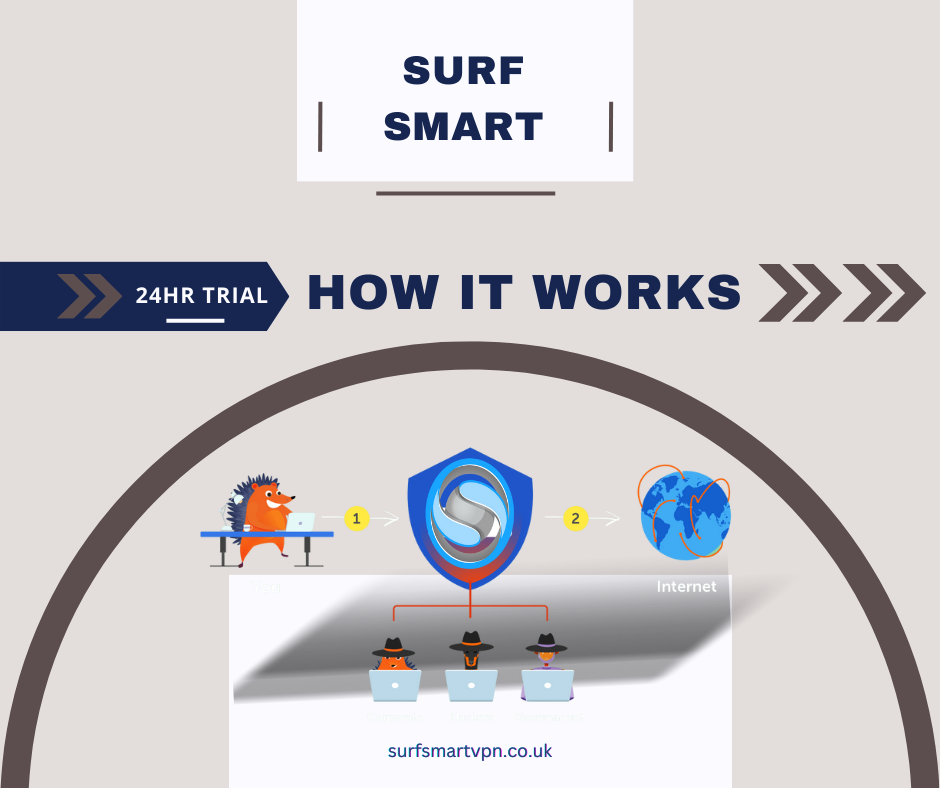
For the tightest month‑to‑month budgets, Atlas VPN is a VPN low cost contender that you can cancel anytime without a huge premium. It may not unlock every library, yet it covers basics well.
For strong privacy with brisk speeds and open‑source clients, Proton VPN is the best cheap VPN when you can spend a bit more. If you watch for seasonal pricing, it sometimes dips close enough to make the jump worth it.
A note on devices: Windows, Mac, mobile, and routers
On Windows and Android, most cheap VPNs are mature and feature‑complete. macOS and iOS lag slightly on split tunnelling due to platform restrictions, but the top budget providers work around it with per‑app rules or on‑demand triggers. If you want whole‑home coverage, consider putting the VPN on your router, but check speeds first. Many ISP routers struggle to push more than 100 to 200 Mbps with VPN encryption. A mid‑range third‑party router with hardware acceleration can hold 300 to 600 Mbps, which is a better match for fast UK lines.
If you own a Fire TV Stick or Android TV, confirm that your provider has a native TV app. Sideloading is annoying and often breaks on updates. The best cheapest VPN options in this article all maintain proper TV apps.
Security extras: ad blocking, trackers, and breach alerts
Budget does not mean barebones. Several providers include DNS‑level ad and tracker blocking, which speeds up browsing and cuts noise on mobile data. Some bundle breach alerts that notify you when an email appears in a known leak. These are not essential, but they add value, especially for families. When comparing the cheapest best VPN offers, factor these into the price if you would otherwise pay for a separate tool.
Where cheap VPNs slip up
The most common failure is inconsistent unblocking for UK services. Next is poor customer support during UK evening hours. Third is oversold UK servers that drop to double‑digit Mbps during prime time. If your first week is rocky, do not wait. Use the money‑back window, which is usually 30 days on multi‑year plans and sometimes shorter on monthly. A provider that does not feel smooth in week one rarely improves.
Final thoughts for UK buyers hunting the best cheapest VPN
You can absolutely get a cheap and best VPN in the UK that feels reliable day to day. The trick is to treat claims with a pinch of salt, lean on WireGuard for speed, and prioritise providers with audits and responsive support. Surfshark, Private Internet Access, CyberGhost, Atlas VPN, and Proton VPN cover the common UK use cases between them, from the cheapest monthly VPN needs to a best value VPN that makes a long commitment worthwhile.
Prices change with seasons, Black Friday, and back‑to‑school sales. If you can wait a few weeks, you often save another 10 to 30 percent. Keep an eye on renewal, test streaming early, and set smart defaults like a kill switch and split tunnelling for fussy banking apps. Do that, and your cheap VPN UK setup will feel like you paid premium money, without the premium bill.